
Αλβανίας Ιωάννης στο Συνέδριο για την Αγία και Μεγάλη Σύνοδο: Ελπίδα για τακτικότερη πανορθόδοξη συνοδική συνεργασία στο μέλλον
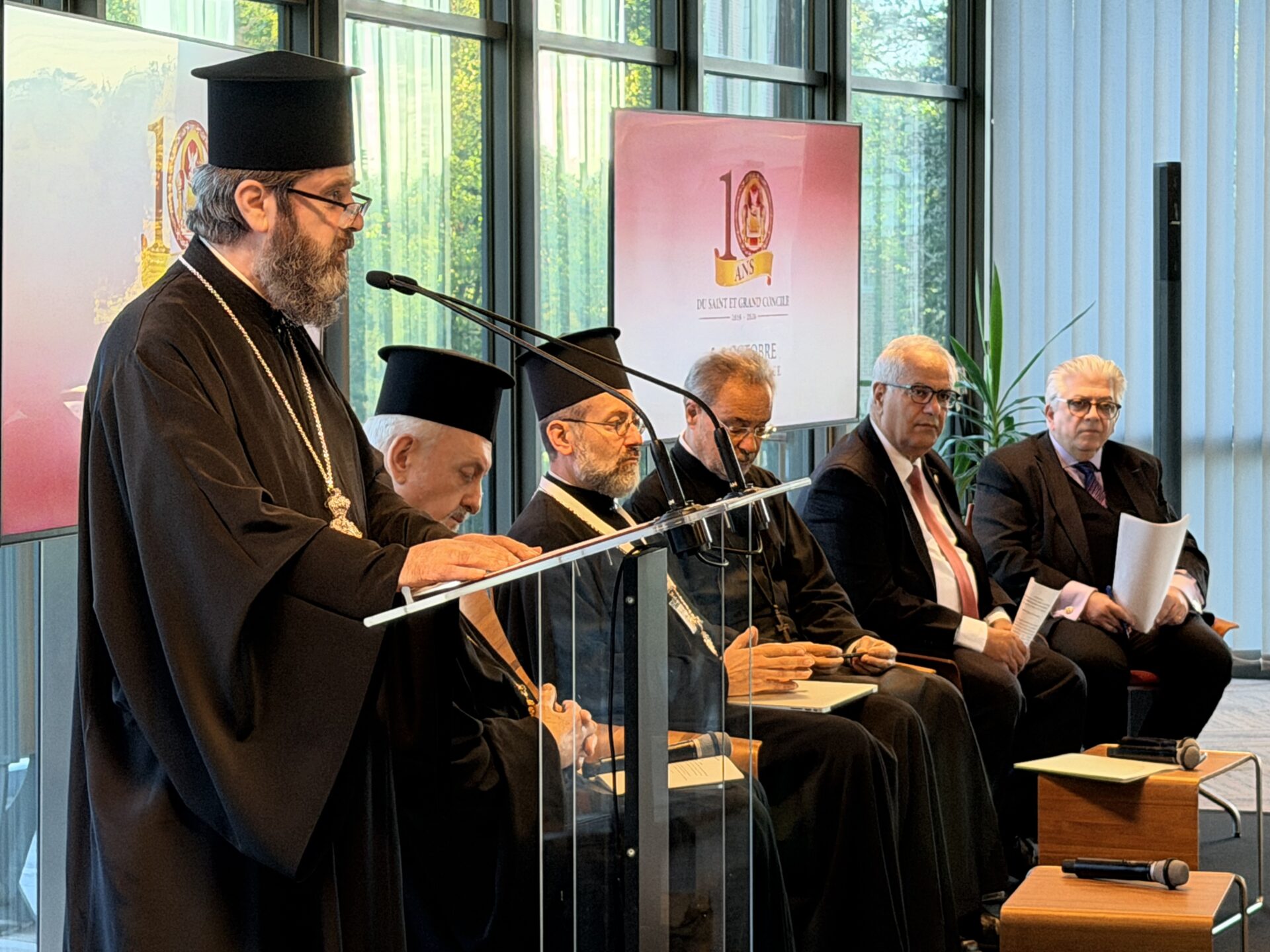
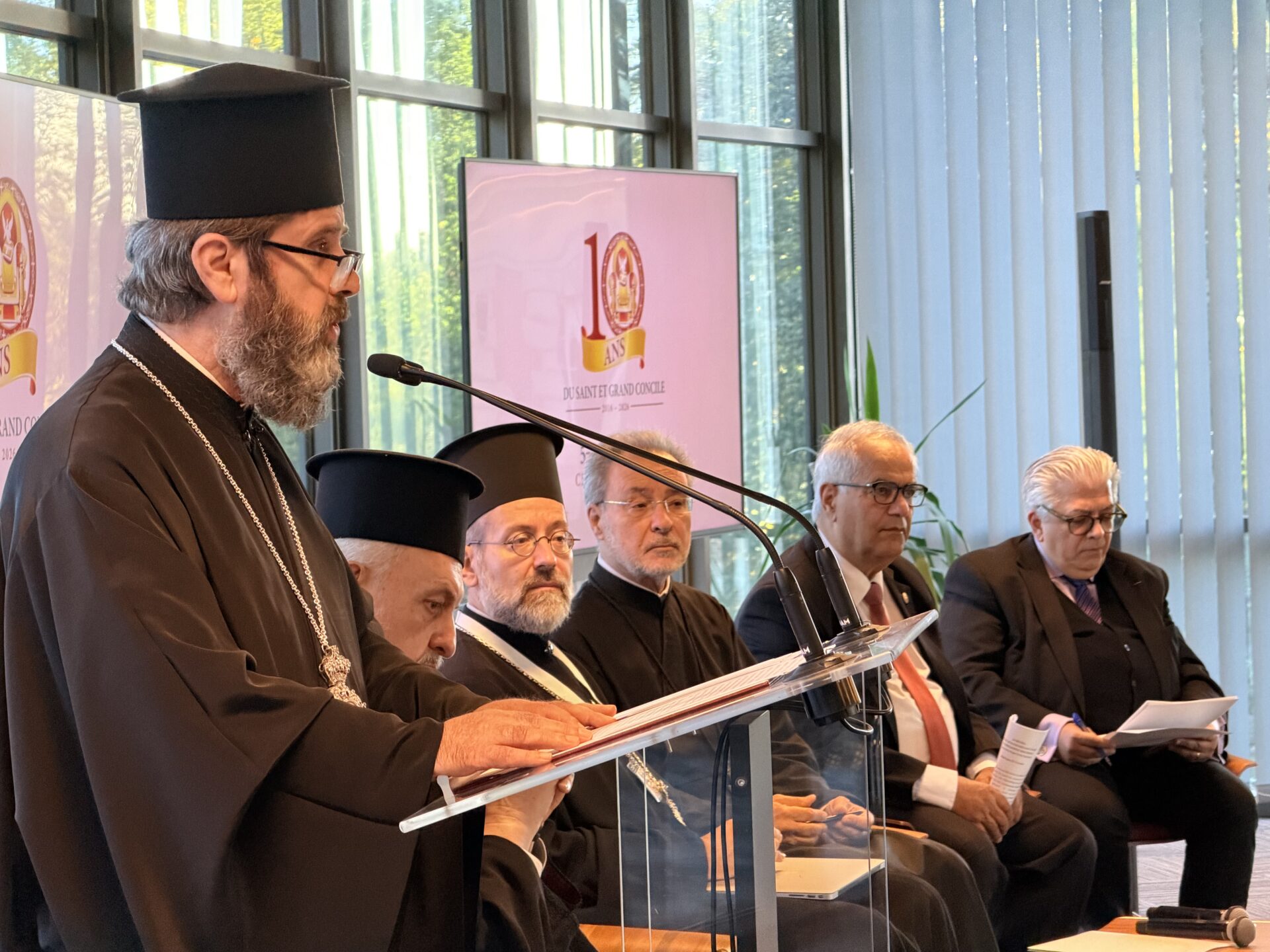
Ο Μακαριώτατος Αρχιεπίσκοπος Τιράνων, Δυρραχίου και πάσης Αλβανίας κ.κ. Ιωάννης συμμετέχει στις εργασίες του Διεθνούς Επιστημονικού Συνεδρίου του Οικουμενικού Πατριαρχείου, στη Γαλλία, για τα δέκα έτη από τη σύγκληση της Αγίας και Μεγάλης Συνόδου της Κρήτης.
Κατά την ομιλία του, με θέμα: «Η Αγία και Μεγάλη Σύνοδος ως Μάρτυρας Ενότητας και Κοινής Ευθύνης», ο Μακαριώτατος ανέδειξε τη Σύνοδο του 2016 ως απτή έκφραση της ενότητας και της συνοδικότητας της Ορθόδοξης Εκκλησίας, ενώ τόνισε την ανάγκη υπέρβασης του εθνικισμού, ενίσχυσης της αδελφικής συνεργασίας και κοινής αντιμετώπισης των ποιμαντικών προκλήσεων. Παράλληλα, υπογράμμισε την ευθύνη των Τοπικών Εκκλησιών για την πρόσληψη και αξιοποίηση των συνοδικών κειμένων και εξέφρασε την ελπίδα για τακτικότερη πανορθόδοξη συνοδική συνεργασία στο μέλλον. «Η ενότητά μας βρίσκει την πρακτική της έκφραση στον τρόπο με τον οποίο ακούμε, στον τρόπο με τον οποίο ομιλούμε και στην προθυμία μας να στεκόμαστε ο ένας στο πλευρό του άλλου», επεσήμανε.
Καταληκτικά, ο Αρχιεπίσκοπος κ.κ. Ιωάννης τόνισε ότι η Εκκλησία της Αλβανίας «ενθυμείται με ευγνωμοσύνη τη συμμετοχή της στην Αγία και Μεγάλη Σύνοδο και το κοινό έργο που προηγήθηκε της συγκλήσεώς της». Επίσης, απευθυνόμενος προς τον Παναγιώτατο Οικουμενικό Πατριάρχη κ.κ. Βαρθολομαίο, δήλωσε ότι η Εκκλησία της Αλβανίας «τιμά τις προσπάθειες και τους κόπους σας για τη σύγκληση της Συνόδου και διατηρεί επίσης με ευλάβεια τη μνήμη του μακαριστού Αρχιεπισκόπου Αναστασίου, ο οποίος προσέφερε τη σκέψη και τη διακονία του σε αυτήν». «Μαζί με τις αδελφές Εκκλησίες», προσέθεσε, «προσβλέπει στην περαιτέρω καλλιέργεια της μεταξύ μας κοινωνίας και στους καρπούς της προς όφελος του λαού του Θεού». Τέλος, ευχαρίστησε τον Παναγιώτατο για τις μεγάλες προσπάθειές του για τη σύγκληση της Αγίας και Μεγάλης Συνόδου, καθώς και για τη σύγκληση του επετειακού Συνεδρίου στη Γαλλία, το οποίο, όπως παρατήρησε, «μας παρέχει μία ακόμη ευκαιρία να μελετήσουμε περαιτέρω τα κείμενα που εγκρίθηκαν από τη Σύνοδο, με την ελπίδα ότι η μελέτη αυτή θα ανοίξει νέες δυνατότητες και προοπτικές για τη συνέχιση της πανορθόδοξης συνεργασίας».
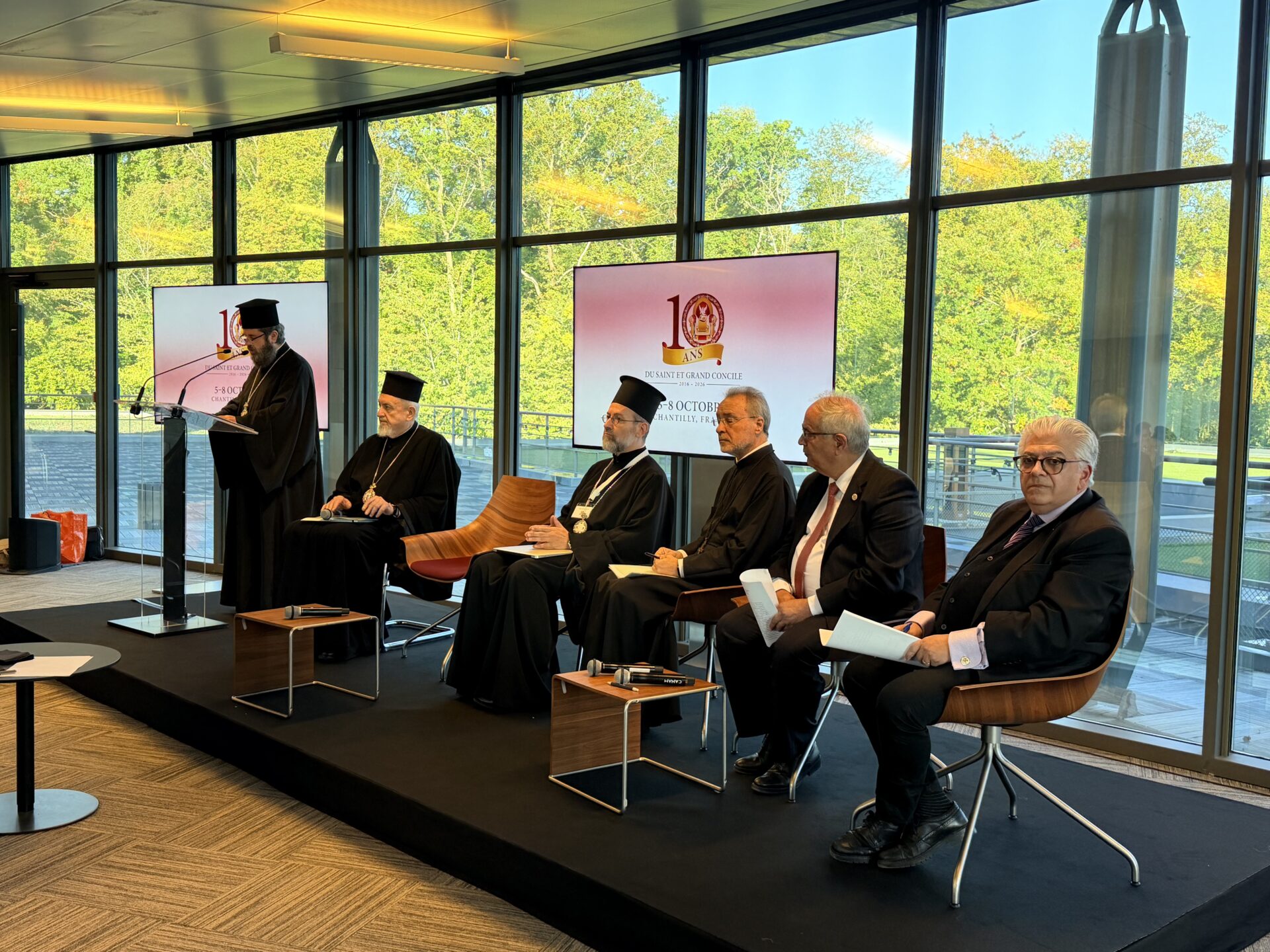
Ακολουθεί ολόκληρη η ομιλία του Αρχιεπισκόπου Αλβανίας, στην αγγλική γλώσσα:
Your All-Holiness,
Most Reverend brother hierarchs,
Reverend Fathers,
Dear participants in the Conference,
Ι
“Praise, thanksgiving and hope fill the soul at the opening of the proceedings of the Holy and Great Council of Orthodoxy.”¹
With these words, the late Archbishop Anastas expressed his feelings at the opening session of the Holy and Great Council ten years ago. With the same feelings, we too greet this International Conference dedicated to the Holy and Great Council. We are called to reflect on its significance for our ecclesial life and on our responsibility to carry forward its witness. The Autocephalous Orthodox Church of Albania, which took part in the preparation and proceedings of the Council, approaches this reflection with the conviction that synodality expresses and serves our unity in Christ.
Your All-Holiness,
The path to the convocation of this Council was long and arduous. It began with the First Pan-Orthodox Conference in Rhodes in 1961. We therefore acknowledge with particular gratitude your pastoral responsibility, dedication, perseverance and labor in making possible the gathering of the Holy and Great Council in Kolymbari, Crete, in 2016. We also express our gratitude to the other Orthodox Churches, their Primates and their representatives on the preparatory commissions, to the moderators, and to all who contributed to drafting and approving the documents of this Council.
We offer you our heartfelt thanks, Your All-Holiness, for the invitation and for the initiative to convene this Conference. It gives us an opportunity to return to the theological substance of that event, to study its fruits and to consider the possibilities that lie before us.
II
The Church is One, Holy, Catholic and Apostolic, the one and undivided Body of Christ. Living and serving within space and time, she manifests her one and only life in the local Churches. Each local Church, gathered for the Eucharist under its canonical bishop and in communion with the other Churches, is the presence and manifestation in that place of the one Church, with the fullness of her grace and truth. The Church’s canonical organization and administrative structure respond to the historical and pastoral circumstances of her ministry in each place without dividing her one ecclesial body. Amid the diversity of places, languages and cultures, communion in the same faith and the same Eucharistic life remains undivided.²
We all affirm this in theory, but in practice I believe we need to deepen our awareness and lived experience of being one Church. That experience has been weakened by various factors, especially the excesses of nationalism and their consequences, even though phyletism was condemned by a Council held in Constantinople in 1872, which declared: “We forbid, oppose and condemn racism, that is, racial discrimination, ethnic enmities, hatreds and divisions in the Church of Christ.” As Patriarch Bartholomew has said of nationalism: “…in the hands of tyrants it has been devastating—indeed, the most destructive force in human history, killing 75 million human beings between 1914 and 1945 alone. We must now ask ourselves openly and honestly: Is it not time to curb the excesses of nationalism?”⁵ Only by living our faith in the one Church as one Body can we develop a sincere dialogue and feel that every achievement of a local Church is an achievement and a joy for the whole Church, and every difficulty faced by a local Church is a difficulty for the entire Body of the Church.
In your opening address in Crete, Your All-Holiness, you emphasized that the synodal institution “derives its origin from the depths of the mystery of the Church.” This emphasis gives us the theological criterion for understanding the Holy and Great Council. Synodality is a fundamental element of the Church’s way of being as the Body of Christ. It expresses the common faith and the communion in the Holy Spirit of her members, who are called to live and act in the bond of love.³ This life is centered on the Divine Eucharist. There we receive the gift of unity and learn to recognize our brother as a member of the same Body. In this light, the shared responsibility of the shepherds, attentive listening to one another and seeking what builds up the Church take on their true meaning. The practice of synodality is called to manifest, in our relationships and decisions, the communion we live around the Holy Table.
In the same spirit, our late predecessor, Archbishop Anastas, described the Holy and Great Council as “a tangible and clear symbol of the unity of the Orthodox.” His words illuminate the visible expression of this ecclesial reality. The unity given to us in Christ seeks to become tangible in common prayer, fraternal encounter, cooperation and service. The Holy and Great Council was a concrete expression of this synodal responsibility.¹ These two insights complement one another. The theological foundation of synodality guides us toward cultivating communion in practice. And the synodal experience helps us understand more deeply what we profess about the Church. The value of the Council comes into view through this bond between faith and ecclesial action. Every common endeavor becomes an opportunity to express more consistently the unity we are called to serve.
With this understanding, the Church of Albania took part in the Holy and Great Council. She contributed to the preconciliar preparation and the drafting of its texts, offering her modest theological and pastoral experience. Her participation formed part of the common service of the sister Churches. In this journey, Archbishop Anastas played an active role, offering his knowledge and experience wherever he was asked. We recall this service with gratitude as an expression of his desire to work for the common witness of Orthodoxy in the contemporary world.⁴
In this cooperation, each participating Church had the opportunity to contribute from her own experience and, at the same time, to draw on the wealth of experience of the others. Personally, as Metropolitan of Korçë at that time, I took part in many preparatory meetings, in the development of the preconciliar texts and in the drafting of the Council’s final Encyclical. The responsibility of this representation was bound up with the effort to formulate accurately positions concerning our common ecclesial life. During the preconciliar preparation, study went hand in hand with listening, and theological work with pastoral care. Time, patience and a willingness to cooperate are needed if each person’s contribution is to serve the common work. The preconciliar texts also emphasized care for the human person alongside their theological exposition. This concern gives substance to the Churches’ shared responsibility toward the world. We should often recall that, “the Church does not exist for itself” and that we bear pastoral responsibility both for our brothers and sisters within the Church and for those outside her.
III
Regarding the reception of the Council, the essential aim is for its texts to become a common point of reference for the journey of all the local Orthodox Churches. Grounded in our common faith, they should support the unified witness of Orthodoxy and offer pastoral guidance in the face of the challenges of contemporary society. For the Church of Albania, participation in the preparation and in the Council itself is bound to this continuing responsibility. We have reason to return attentively to the texts and consider how they can support our ministry. The theological education of the clergy and the catechesis of the faithful are natural areas for such work. At the same time, communication with the sister Churches can help us share useful experiences and work together wherever there are common pastoral needs.
As for future prospects, the more regular practice of synodality at the pan-Orthodox level is of particular importance. In your opening address, Your All-Holiness, you also spoke of the prospect of further Councils of this kind. Likewise, some of the Primates enthusiastically supported the idea that the Holy and Great Council should become an “institution that convenes periodically.” We believe that this prospect, expressed during the Holy and Great Council, remains an essential subject for our common reflection.³ It would therefore be fruitful to keep this prospect alive and to cultivate together the conditions for its realization. With fraternal understanding and proper preconciliar preparation, we can consider the possibility of convening new Councils on matters concerning our common witness and pastoral ministry. Their timing and manner of convocation are matters for common ecclesial discernment, in a spirit of discretion and according to canonical order. Ongoing communication and the building of mutual trust can already serve this purpose.
Our hope is that fraternal cooperation will grow and that our common journey will be sustained by prayer and respect. Every opportunity for a genuine encounter allows us to understand the needs of others better and to offer our own contribution with fuller awareness. In this way, remembrance of the Council is linked to a concrete responsibility in the present. Our unity finds practical expression in how we listen, how we speak and our readiness to stand by one another.
Your All-Holiness, dear brothers,
The Church of Albania remembers with gratitude her participation in the Holy and Great Council and the common work that prepared it. She honors your efforts and labors, Your All-Holiness, in convening the Council, and also cherishes the memory of the late Archbishop Anastas, who offered his thought and service to it. Together with the sister Churches, she hopes for the further cultivation of our communion and for its fruits among the people of God.
In closing, I would like once again to express my thanks, Your All-Holiness, for your great efforts in convening the Holy and Great Council and for calling this Conference, which gives us another opportunity to study further the documents approved by the Council, in the hope that this will open new possibilities and prospects for continued pan-Orthodox cooperation. We also extend our thanks to all who offered their service in this common endeavor.
Let us take courage. The Lord will not forsake us, for God has given us not a spirit of fear, but of power, love and sound judgment (2 Tim. 1:7).
Thank you.
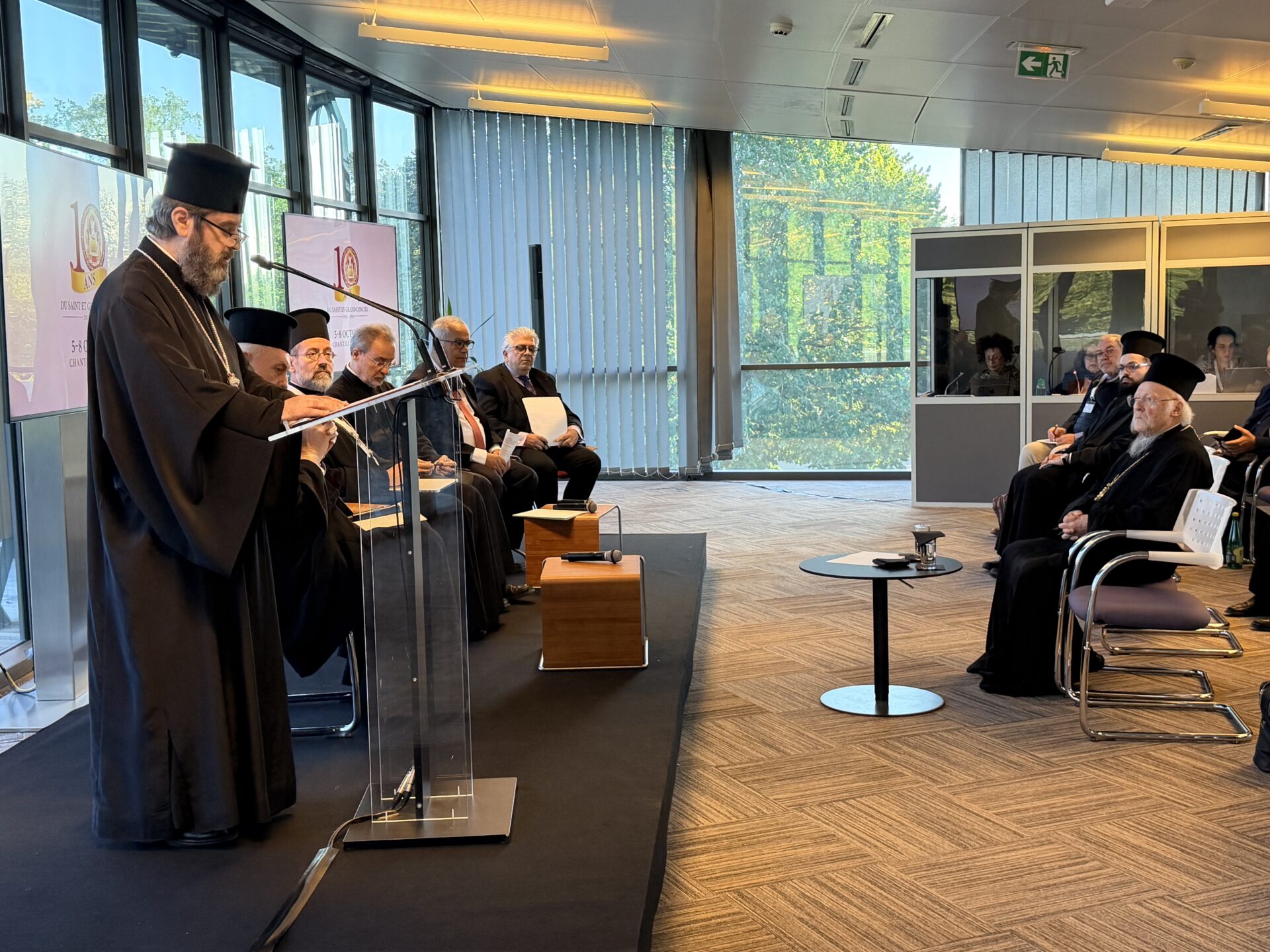
photo: Nikos Papachristou
Πηγή: greek.vema.com.au
H αναδημοσίευση του παραπάνω άρθρου ή μέρους του επιτρέπεται μόνο αν αναφέρεται ως πηγή το ORTHODOXIANEWSAGENCY.GR με ενεργό σύνδεσμο στην εν λόγω καταχώρηση.
 Ακολούθησε το ORTHODOXIANEWSAGENCY.gr στο Google News και μάθε πρώτος όλες τις ειδήσεις.